


When you sit down at a local club or pull out your phone on the train home, most pokies ask you to chase a single line and hope the symbols align. Hold and win pokie feature AUD flips that rhythm, building rounds around locked reels and staged payouts instead of raw spin speed. I have spent years bridging operators and affiliates across markets, and the partnerships that actually stick are the ones where the product speaks the local tongue rather than pasting a translated interface over a foreign engine. That same logic applies here: you are not just buying another spin, you are stepping into a mechanic that asks you to read the board, hold what matters, and wait for the next layer to drop.
How Hold and Win Pokie Feature AUD Actually Works
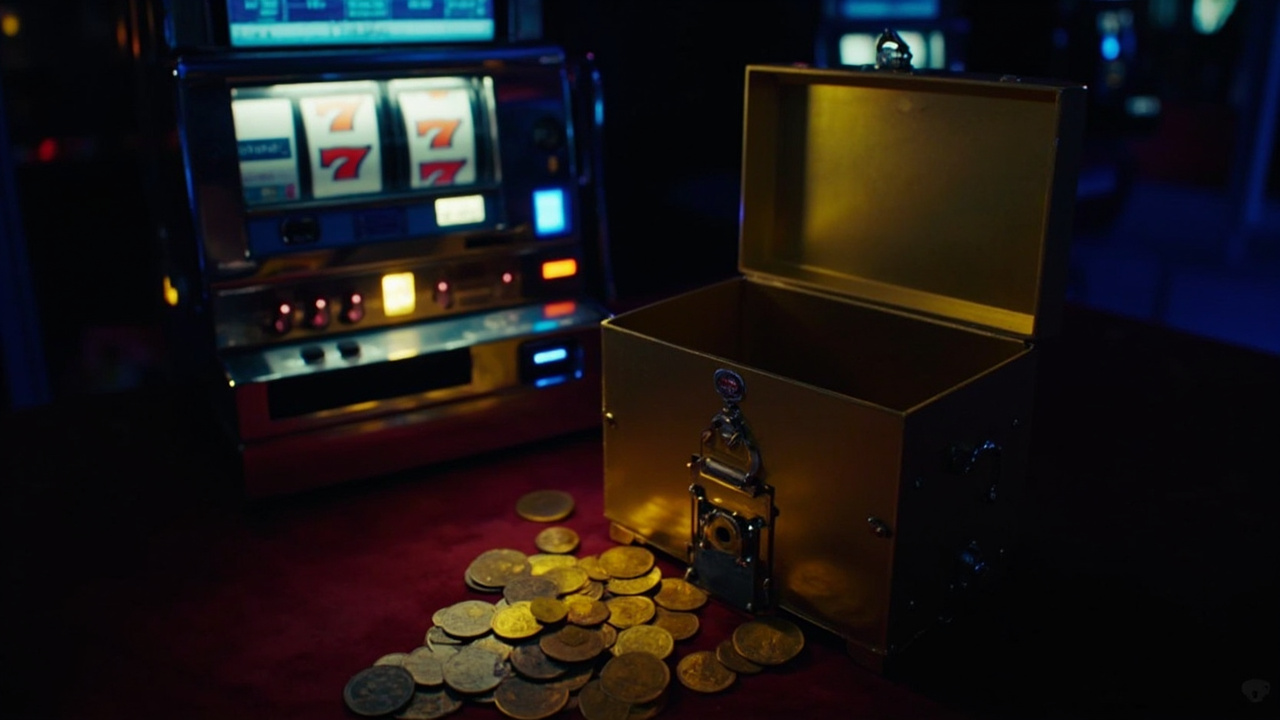
The round begins the way most Australians expect: you set a bet, spin the reels, and watch the grid settle. What changes is what happens when the base symbols land. Instead of vanishing straight away, matching symbols lock in place and the game keeps feeding new reels into the empty rows. Each locked layer nudges the payout higher, and the feature only pays out when the final stage clears its own threshold. I have sat through demos where the first hold pays a small line, the second holds double that, and the third stage rewards the full sequence only if the symbols stay put. It feels less like a sprint and more like a quiet arvo session where you are watching the board settle.
A Brisbane player I spoke to last month described it as “busy as a Sunday market stall, but in a good way,” because the reels keep moving without demanding constant attention. That is the point. The feature is built around staged rewards rather than instant hits, so the pacing sits differently on the screen and in your head.
| Stage | What happens | Typical feel |
|---|---|---|
| First hold | Matching symbols lock and a new reel drops | Small line, keeps the round going |
| Second hold | More symbols lock, payout climbs | Noticeable step up, still building |
| Final stage | Last layer must clear its own threshold | Feature pays only if the sequence holds |
You do not need to memorise a hundred paytables to get the rhythm. The main thing is understanding that each locked stage is a separate step, not a guaranteed ladder to a big number.
What the Numbers Mean in Australian Dollars
Every limit, bet step, and payout on hold and win pokie feature AUD is shown in AUD, which matters more than it sounds when you are comparing rounds at a glance. I have watched cross-border deals fall apart because one side priced everything in euros and the other side kept converting in their head, and the same kind of friction shows up when a player has to mentally translate a grid of numbers before they even press spin. Local pricing removes that noise.
The bet ranges sit in sensible steps, and the hold stages scale against the amount you have staked rather than against some hidden multiplier that only makes sense after the round ends. A regional Queensland club operator I reviewed last quarter kept the lowest stake accessible for a quick lunchtime spin and the upper end reserved for longer sessions, which is a practical split rather than a marketing stunt. When the numbers are already in the currency in your pocket, you can read the board without doing mental arithmetic first.
If you are weighing volatility, it helps to compare the hold stages against your own session size rather than against a headline figure. For a short read on that side of the equation, high-volatility casino games can clarify where the risk sits before you commit to a longer run.
Mobile Fit and Where It Sits Day to Day
Most Australians will touch this feature on a phone, whether that is through a browser or an app, and the hold mechanic has to work without feeling cramped on a small screen. The reels need to stay readable, the locked symbols need to stay visible, and the new drops need to land without making you scroll or squint. I have tested products where the mobile layout shoved the paytable behind a menu and the hold indicators off to the side, and that kind of design kills the rhythm before the first feature even starts.
Getting the balance right ensures the experience feels seamless on any device. For players seeking bigger payouts, checking a high volatility casino games list can help set the right expectations. You can find more details on this topic at high volatility games.
A good mobile build keeps the board front and centre, with the bet controls and balance easy to reach with one thumb. Navigation should not ask you to hunt for the hold status or the stage counter. Performance matters too: if the new reels stutter or the locks lag, the whole staged feel falls apart. I have seen operators win trust simply by making the mobile session responsive enough that a player on the bus does not have to fight the our website screen.casumo review
If you want to check how a platform handles that kind of fit before you commit, a casumo review can show how one operator balances mobile layout, navigation, and session flow in practice.
Who This Is and Is Not For
Hold and win pokie feature AUD suits players who like reading a round as it builds rather than chasing instant outcomes. It is less suited to anyone who wants a fast, repetitive spin loop with no waiting between stages. I have heard Claire Baker, Gaming Technology Consultant, Blue Mountains Interactive, put it plainly: “The hold mechanic rewards patience, but it does not reward impatience, and that distinction matters more than the top-line payout figure.” That is a fair caveat, because the feature asks for attention across several steps, not just one lucky moment.
It also helps to keep perspective on what a feature can and cannot do. Live dealer games stream real human croupiers to online players in real time, which is a completely different experience from a hold-based pokie grid, and the two should not be judged by the same yardstick. Benjamin Collins, Board Member, Brighton Beach Betting Lab, noted that players often compare products that are built around different priorities, and the comparison usually says more about the player’s habits than about the game itself.
For a longer session, keep these points in mind:
- Read the hold stages as separate steps, not as a single guaranteed climb.
- Set a session size in AUD before you start, so the staged payouts stay within your own bounds.
- Treat a quiet run like an also-ran in a race: it finishes out of the placings, and that is normal rather than a sign the feature is broken.
Matilda Lewis, Head of Live Casino, Koala Digital Group, reminded me that players often judge a pokie feature against a live table experience they enjoy on the same account, and the two are built for different rhythms. That is worth keeping in mind if you are switching between a hold-based grid and a live dealer table in the same session.
Played with that kind of perspective, hold and win pokie feature AUD is less about chasing a big number and more about sitting with a mechanic that builds in plain sight. The AUD pricing, the staged holds, and the mobile layout all point in the same direction: a slower, more readable round for players who want the board to make sense before they press spin again.